
How to Draw 111 Animals and Characters, Step by Step
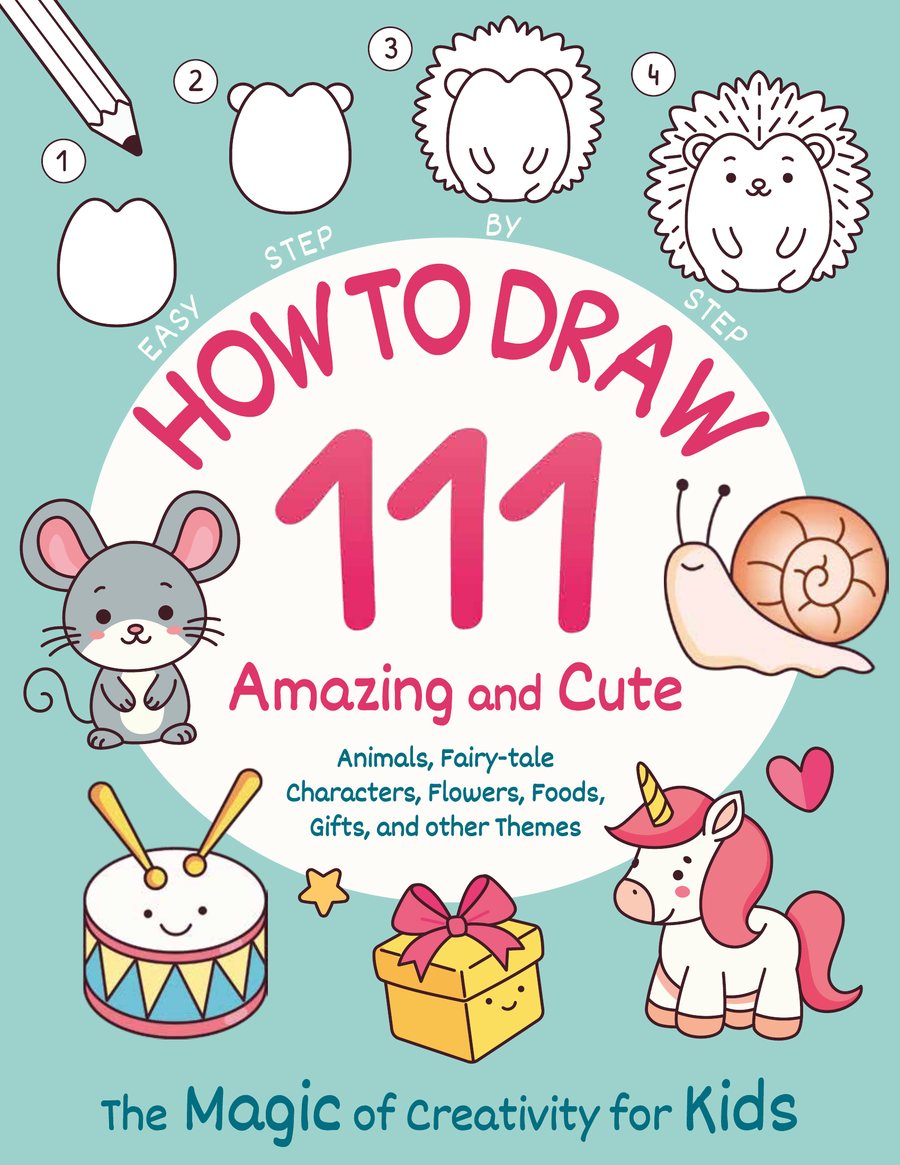
- 111 drawings broken down into simple steps. At two or three drawings a week, there is enough to use throughout the school year
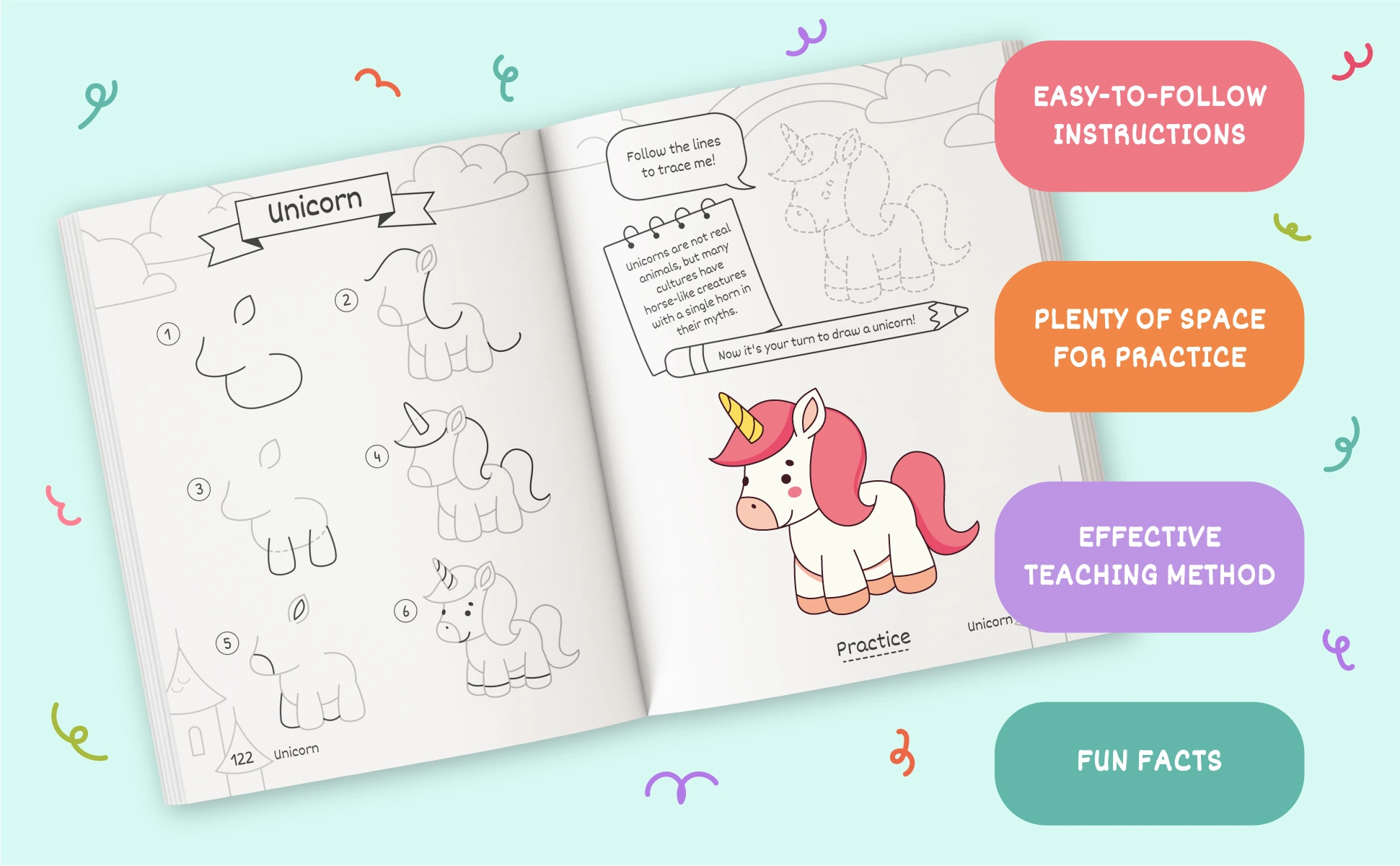
- A full two-page spread for every drawing: follow the steps, trace the dotted outline, draw it yourself, and color it
- Completely visual instructions, with no reading required, so even children who are not reading yet can follow along independently
- A short fun fact with every drawing: lions, giraffes, whales, unicorns, cupcakes, sailboats, and much more
- No loose worksheets to lose. Every drawing stays in the book, turning it into a keepsake of a child's early artwork
- Awarded Finalist · Educational Books · Children's Book International Awards 2025
- Age5-10
- Pages231
- LanguageEnglish
- Size8.5 x 11 in
What the drawings look like

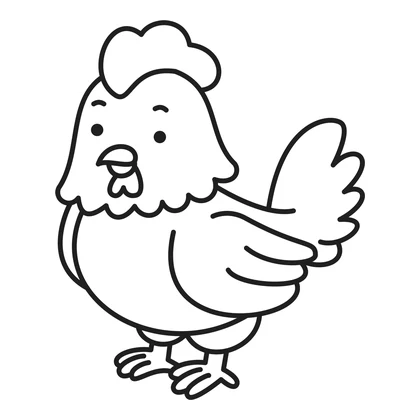

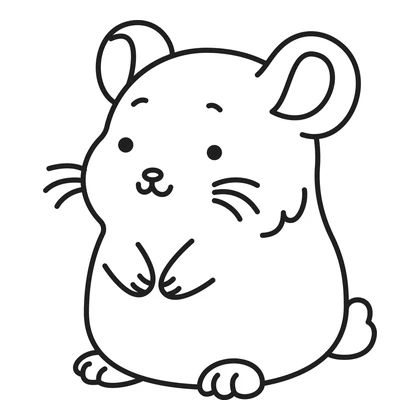
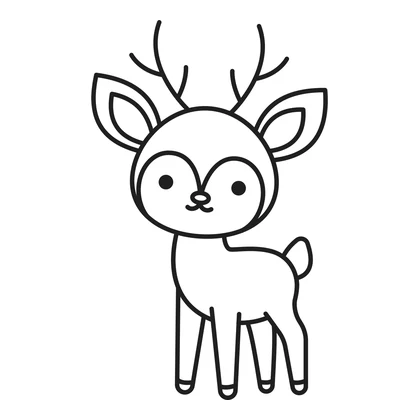
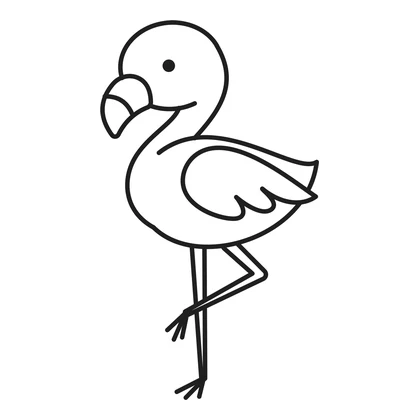


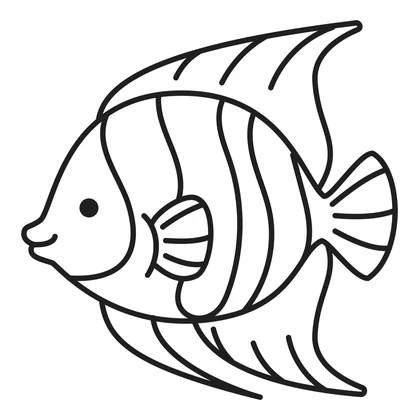
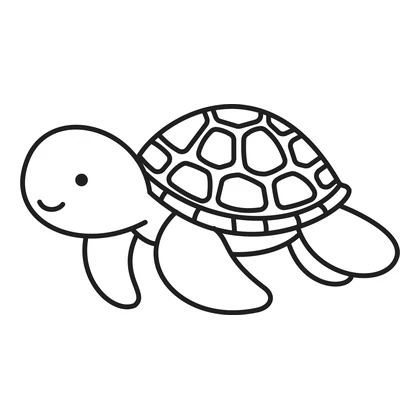
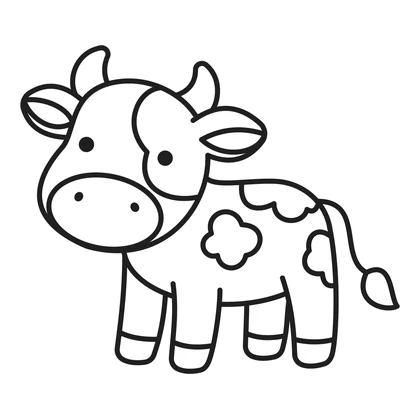





See all 111 drawings
Land animals
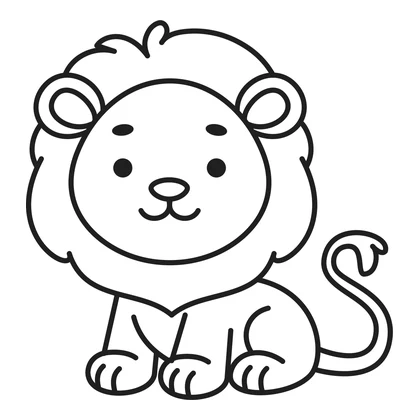
- Lion
- Elephant
- Zebra
- Parrot
- Crocodile
- Monkey
- Kangaroo
- Rhino
- Flamingo
- Lemur
- Hummingbird
- Giraffe
- Koala
- Frog
- Alpaca
- Bunny
- Owl
- Hedgehog
- Goat
- Bat
- Raccoon
- Bear
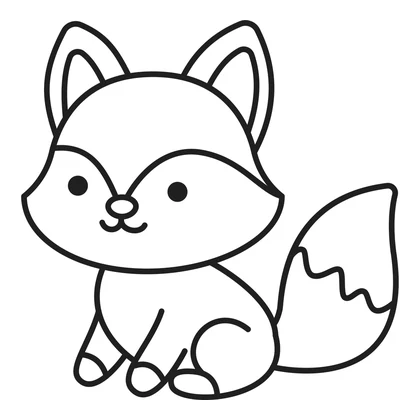
- Fox
- Chicken
- Chameleon
- Cow
- Beaver
- Eagle
- Hamster
- Cat
- Dog
- Squirrel
- Duck
- Deer
- Mouse
- Bee
- Dragonfly
- Snail
- Butterfly
Water animals
- Shark
- Dolphin
- Whale
- Crab
- Octopus
- Jellyfish
- Sea turtle
- Angelfish
- Seahorse
- Seal
- Clown fish
- Shellfish
- Axolotl
- Pufferfish
- Shrimp
- Manta ray
Fairy tale
- Mermaid
- Unicorn
- Dragon
- Crown
- Dwarf
- Griffin
- Troll
- Fairy
- Magic cauldron
- Wizard's hat
- Magic potion
Vehicles
- Car
- Helicopter
- Airplane
- Hot air balloon
- Ship
- Submarine
- Rocket
- Scooter
Sports and hobbies
- Skateboard
- Kite
- Badminton
- American football
- Camera
- Drum
- Beach ball
Everyday things
- Sunglasses
- Beach umbrella
- Beach hat
- Globe
- Present
- Gamepad
Nature
- Maple leaf
- Rose
- Mushroom
- Clover
- Sunflower
- Pine cone
- Cactus
- Lily of the valley
- Lotus
- Tulip
Food
- Cake
- Ice cream
- Watermelon
- Carrot
- Broccoli
- Orange
- Cherry
- Avocado
- Strawberry
- Pear
- Pineapple
- Lemon
- Pumpkin
- Donut



Who the book is for
Ages 5 to 10, depending on the child: one starts at six, another only wants to at nine, and the book works for both. For children who say they cannot draw, for teachers who need a quiet independent activity, and for adults learning alongside them.
How to teach a child to draw: step-by-step drawing by age
The same book can grow with a child for several years. At first, children trace and copy the drawings. As their skills develop, they draw more confidently on their own. Eventually, the familiar steps become a foundation they can use in their own artwork.
Drawing for ages 5-6
Tracing can be especially helpful at this age. Children first follow the dotted outline, getting a feel for the shape and movement of the lines, and then try drawing the same picture on their own.
Large, familiar subjects such as a cat, dog, fish, or flower are a great place to begin. Because the instructions are completely visual, children do not need to be able to read to follow the steps.
Drawing for ages 7-8
Children are more comfortable with a pencil and often want their drawing to look like the example. This is where the step-by-step method really helps: what looks complicated at first is built from a series of simple shapes.
When the drawing is finished, children can color it before moving on to the next one.
Drawing for ages 9-10
At this age, the step-by-step examples can become a starting point for more independent drawing. Children can repeat a drawing, practice in the space provided, and gradually use familiar shapes and techniques in artwork of their own.
For teachers, classrooms, and art programs
With 111 different drawings, the book can be used throughout the school year, for example two or three activities a week. There are no loose worksheets to print, collect, or organize. Each child can have their own book, with all of their artwork kept together in order.
It works well for short drawing lessons, morning work, early-finisher activities, independent art time, homeschool, and elementary art activities. The fun fact included with each drawing also gives teachers an easy way to extend the activity into a short conversation or learning moment.
See the book in your hands
A page by page flip through the real book, so you can see the paper, the size and how the drawings build up before you buy.
- Filmed on a table at home, so the paper and the size you see are the real ones.
- You can watch one drawing grow from a simple shape into a finished character.
- This is the same book that arrives in the box.
The full description of this book
How to Draw 111 was published by Magic of Discoveries LLC on April 23, 2024. The book has 231 pages, 111 different drawing subjects, and a large 8.5 x 11 inch format.
The English edition was a finalist in the Educational category of the Children's Book International Awards 2025 and has a 4.9 out of 5 rating from 36 customer reviews.
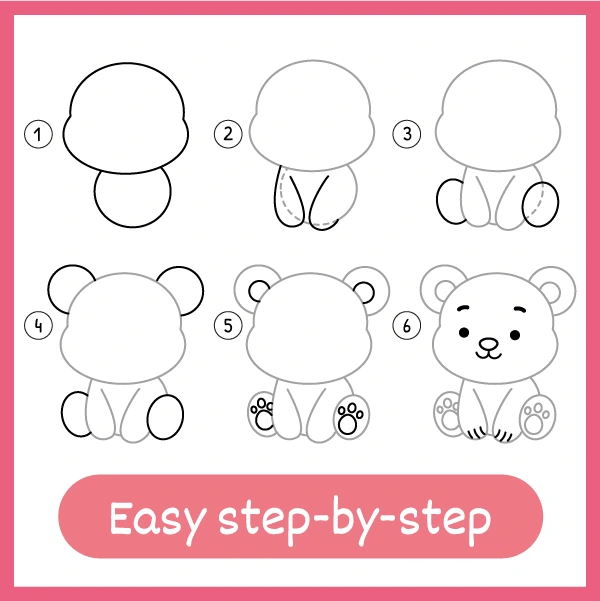
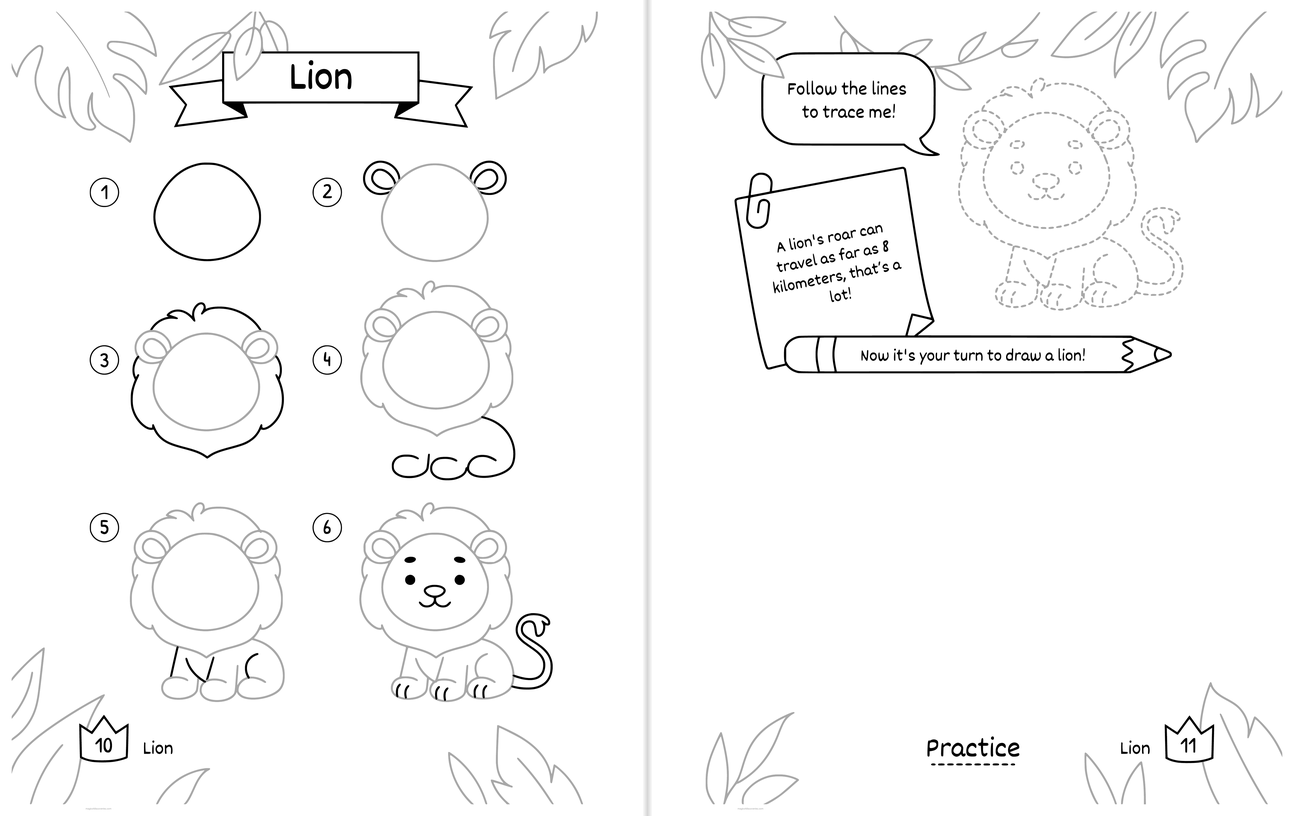
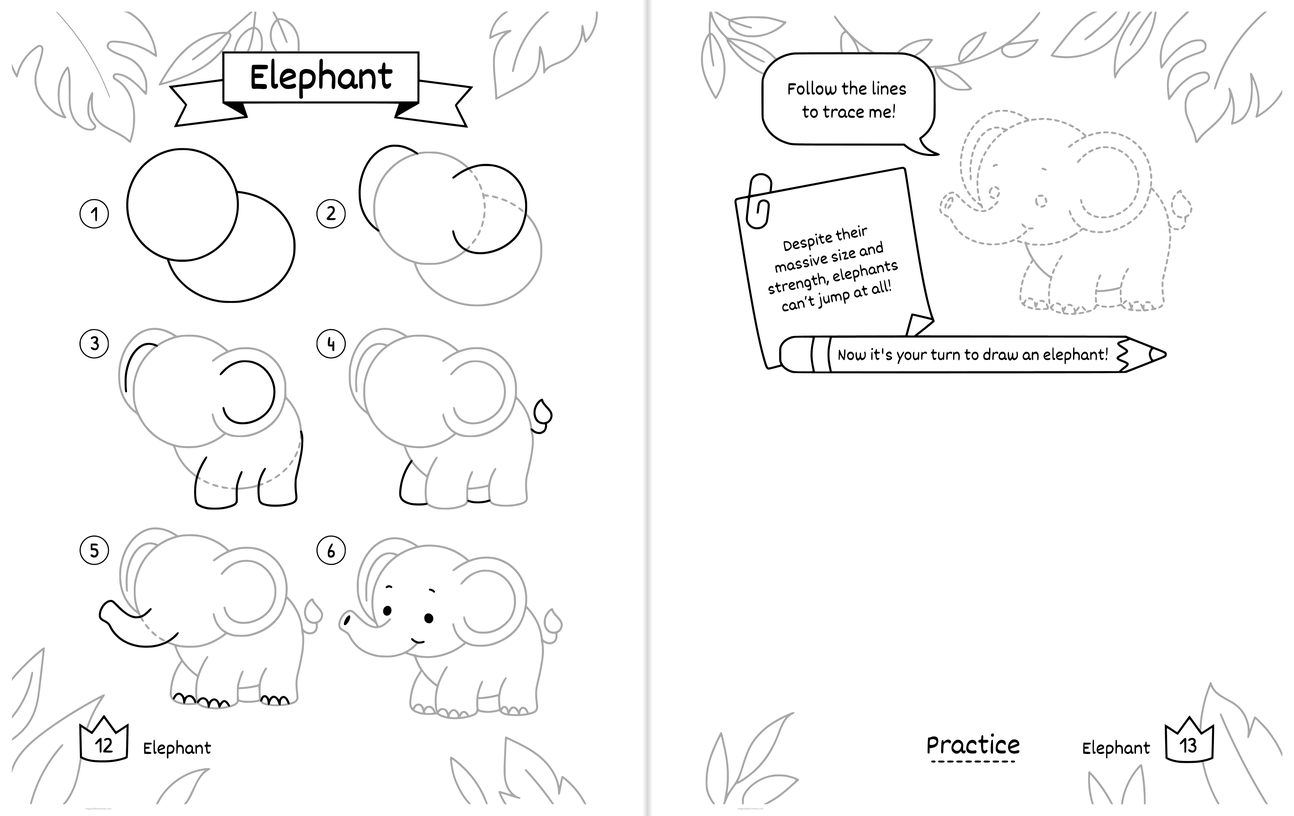
Every drawing gets a full two-page spread. On one page, the picture is broken down into simple steps, usually six. It begins with a basic shape, and each new step adds another detail. Earlier lines turn gray, making it easy for children to see exactly what they need to add next.
On the facing page, the same picture appears as a dotted outline for tracing, with blank space beside it for the child to draw it independently.
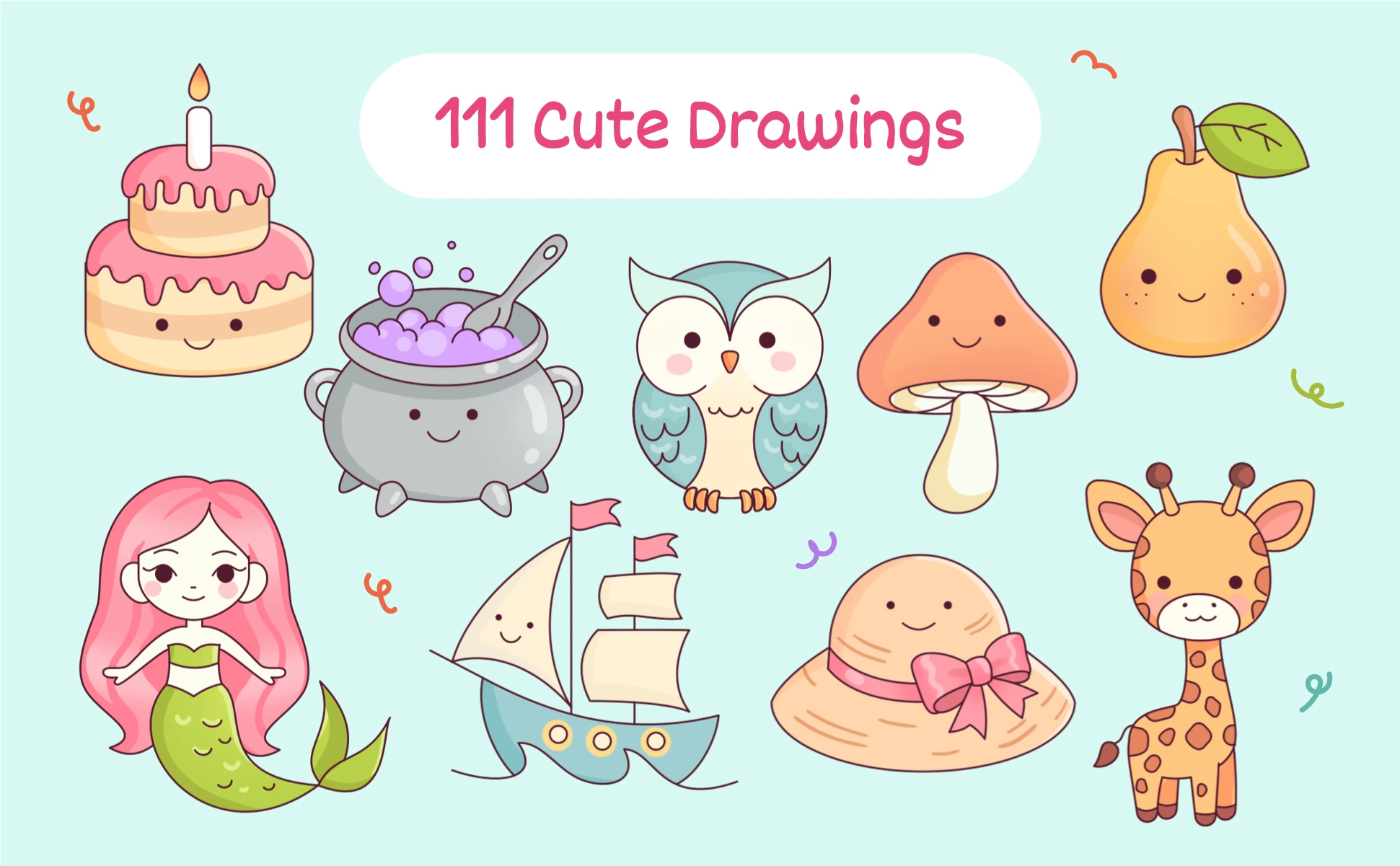
The 111 subjects include land animals, sea life, fairy-tale characters, vehicles, sports, everyday objects, nature, and food. Children can learn to draw a lion, elephant, zebra, giraffe, koala, fox, whale, dolphin, octopus, unicorn, mermaid, dragon, rocket, hot air balloon, cupcake, ice cream, and much more.
Each drawing also comes with a short fun fact, adding a little discovery and learning to every drawing session.
Every illustration was drawn by hand by our illustrator, with no artificial intelligence used. No separate sketchbook is needed because practice space is built right into the book.
And when the book is finished, the drawings do not disappear into a pile of loose paper. They stay together in the order they were created. Over time, a drawing workbook becomes something more: a keepsake filled with a child's early artwork that a family can hold on to for years.
The series also includes a shorter, simpler companion, How to Draw Everything, designed for children who are just getting started. How to Draw 111 offers the next step, with more subjects and more room to learn and practice.
Is this book right for your child?
Ages 5 to 10 are a guide, not a rule. What matters more is how your child draws right now.
This book is a good fit if:
- Your child says they cannot draw and does not know where to start
- They have outgrown coloring books and want to draw for themselves
- They like following an example and seeing a result right away
- Drawings keep getting lost on loose sheets and you want them kept together
- You need activities that last a school year, at home, in a club or in class
- Your child loves coloring and will want to color what they drew
Free pages to try before you buy
Real spreads from the book, two pages each: the steps on one sheet, the practice page on the next. Ten of them are free to print, so you can try the method at your own table before you buy.
How to teach drawing
- How to Teach a 5- or 6-Year-Old to Draw: From Tracing to Their First Independent DrawingAt five, a child does not need a perfect picture to copy. They need to know what to do next. The four-part method behind 111 activities.
- How to Teach a 7- or 8-Year-Old to Draw: When Copying Is No Longer EnoughAt seven, a new question appears: why doesn't mine look like that? How to balance an interesting result with a path that stays clear.
- Drawing for 9- and 10-Year-Olds: Moving From Step-by-Step Drawing to Independent ArtAt this age a sequence works differently: not as "copy what I do," but as a way to see how a picture is built.
- What Is Step-by-Step Drawing for Kids, and Why Does It Make Drawing Easier to Learn?The quality of an instruction is not set by the number of steps, but by whether the child can tell what to do next.
- Drawing Activities for the Entire School Year: 111 Ideas Without a Stack of WorksheetsThe hard part is not finding one activity. It is finding the next one, and repeating that all year. 111 activities in one book per student.
What parents say
My son is thrilled with the simplicity of the instructions, and he especially loves that he can color his masterpieces right away. I can see his confidence growing with each new drawing.
Victor Borsci, September 7, 2024, USTracing kept my little one occupied for longer than anticipated. The fun facts here and there are a nice touch.
Valentina Sh, May 13, 2024, USMy child is gaining new skills independently and loves displaying his artwork. My only wish is for more animal options, but all in all, it is a great book.
Layla Saunders, November 1, 2024, USVerified purchase reviews left on Amazon.
What an independent reviewer said about the book
Children can learn to draw on the pages of this book.
Readers' Favorite reviewed How to Draw 111 Animals and Characters, Step by Step and describes it as a guide that parents can use to introduce young children to the basics of drawing, one step at a time. The review highlights the wide variety of subjects, from lions, elephants, and zebras to gamepads, maple leaves, and mushrooms, as well as the step-by-step instructions and short facts about each subject near the end of every chapter. According to the reviewer, the drawings are presented in a way that keeps children engaged, while the book helps foster a love of drawing from an early age.
Pikasho Deka, reviewer for Readers' Favorite, October 2024
- Age
- 5-10
- Drawings
- 111
- Pages
- 231
- Size
- 8.5 x 11 in
- Published
- April 23, 2024
- ISBN
- 9781963328141
- Author
- Ricardo Demi
- Publisher
- Magic of Discoveries LLC
How this book is built: Books built so a child can finish them
Also sold at: Barnes & Noble · ThriftBooks · World of Books · Alibris · Buscalibre · Takealot · Goodreads
Also available in Español
Questions parents ask
Teaching kids to draw
How do you teach a child to draw?
Break every picture into simple shapes and add one shape at a time. Most children don't struggle because they lack talent; they simply don't know where to start, and a circle or an oval gives them that starting point. In the method Ricardo Demi uses in his Magic of Discoveries books, each new line is shown in black while earlier lines turn gray, so the child sees exactly what to add and never has to compare two whole pictures. You can try the method free with a printable lion.
At what age can a child start learning to draw?
Most children are ready for step-by-step drawing at about five, when they can hold a pencil and copy a circle or a line. Before that, scribbling and coloring help develop pencil control; after that, guided drawing turns scribbles into recognizable pictures. Age is a guide, not a rule: some children start at four, others only become interested at eight or nine, and both are normal.
What is step-by-step drawing?
A method where a picture is built from a sequence of simple shapes, one addition per step, until the full drawing appears. Each step is small enough to copy with confidence, and the finished picture shows the child that even a complex subject can be broken down into manageable steps. In classrooms the same approach is called directed drawing.
Why does step-by-step drawing work for kids?
It removes the hardest moment: the blank page. A child who copies one shape at a time succeeds at every step, and those small successes add up to a drawing they are proud of. Because most subjects start from the same few shapes, a circle, an oval, a curve, the child also builds a visual vocabulary they later use in drawings of their own.
What skills does drawing develop in children?
Fine motor skills and pencil control, hand-eye coordination, patience and concentration, and self-confidence. Step-by-step drawing adds two more: following a visual sequence, and seeing how a complex object breaks down into simple parts. These are the same skills children need for handwriting, so regular drawing also prepares the hand for school.
Is drawing better for kids than coloring?
They build different skills, and children benefit from both. Coloring trains control inside a line; drawing trains planning, shape, proportion and the confidence to make a picture from nothing. Many children move from coloring books to drawing at five or six, often because they want a picture that is their own. A good next step keeps coloring in the process: the child draws first, then colors what they drew.
What if my child says "I can't draw"?
It almost always means "I don't know where to start." Give the child a first shape they can certainly draw, such as a circle, and one small addition at a time; within a few steps, they have drawn a lion or a rocket on their own. Tracing the finished outline first also helps, because the hand learns the shape before drawing it alone.
What are easy things for kids to draw?
Subjects built from round shapes: a cat, a dog, a bunny, a snail, a flower, a cupcake. They start from a circle or an oval, have few details, and are recognizable after only a few steps. Once these feel easy, children can move on to subjects with more parts, like a giraffe, a kangaroo or a dragon.
Free easy drawings to print: cat, dog, flower, house and more
Can parents draw together with their child?
Yes, and it is one of the best ways to start. Draw the same subject side by side, one step at a time: the child sees that an adult also begins with a plain circle, and it takes away some of the pressure to get it right. Adults who "can't draw" often surprise themselves too. Step-by-step books with purely visual instructions, like How to Draw 111 by Ricardo Demi, work for both at once.
Drawing by age
How do you teach a 5-year-old to draw?
Start with tracing and large, round subjects. At five, children are still developing pencil control, so following a dotted outline first gives them the feel of a shape before drawing it freehand. Keep sessions short and praise the attempt, not the accuracy. Instructions should be fully visual, because most five-year-olds cannot read yet.
How do you teach a 6-year-old to draw?
Let the child follow the steps alone and step in only when asked. By six most children copy circles, ovals and curves reliably, so four to six small steps per picture are within reach. This is also the age when many children leave coloring books behind and want to draw "real" pictures. Good first subjects are a cat, a dog, a bunny and a snail.
Free easy drawings to print: cat, dog, flower, house and more
How do you teach a 7-year-old to draw?
Show that a complicated picture is only a chain of simple shapes. At seven children often want their drawing to look like the example, and step-by-step drawing helps them get there without becoming frustrated. Encourage them to draw the same subject twice: the second attempt is usually much better.
How do you teach an 8-year-old to draw?
Give more complex subjects and let the child add details of their own. At eight children can keep several parts of a drawing in proportion, so animals with long necks, tails and legs, like a giraffe, a kangaroo or a flamingo, become rewarding. A background or a second character turns a copy into their own picture.
How do you teach a 9-year-old to draw?
Use step-by-step drawings as a starting point, not a finish line. Nine-year-olds can take shapes learned in one drawing and reuse them in another, which is how independent drawing develops. Ask them to change a pose, add an expression or combine two subjects in one scene.
Is step-by-step drawing good for a 10-year-old?
Yes, especially for a child who has decided they "can't draw" and stopped trying. Ten-year-olds are often self-critical, and a method that reliably produces a good result restores confidence quickly. More experienced ten-year-olds use the steps to understand how a subject is built, then redraw it in their own style.
Animals and first drawings
How do you teach a child to draw animals?
Start every animal from its biggest shape: a circle for the head or an oval for the body. Then add ears, legs and tail one at a time, and finish with the face, which is what makes the animal recognizable. The lion is a good first animal: it starts from a circle, and the mane makes it recognizable in one step.
What animals are easiest for kids to draw?
Round, compact animals: a cat, a bunny, a bear, a koala, a snail, a bee. They need only a few steps and look right even when the lines are not perfect. Long-legged or detailed animals, such as a giraffe, a flamingo or a chameleon, are better saved for later.
Why should kids trace before drawing on their own?
Tracing helps children practice the movement needed to make a shape before drawing it on their own. The child feels where a curve starts, where it turns and how long it runs, and the independent attempt that follows is more confident. The same principle is used in teaching handwriting. A helpful sequence has three parts: follow the steps, trace the outline, then draw it freehand, ideally twice.
How many steps should a drawing for kids have?
For ages five to ten, about four to eight steps, with one new shape per step. With too few steps, the change from one step to the next can be too large; with too many, the activity can become tiring. Six steps is a common sweet spot: enough to build a recognizable animal, few enough that a young child finishes before losing interest.
How long does a step-by-step drawing activity take?
About 15 to 20 minutes for the steps, the tracing and the child's own drawing. Coloring the finished picture can extend it. That length fits a short lesson, a quiet activity after school, or an early-finisher task in class.
Does a child need an adult to help with step-by-step drawing?
Usually not, if the instructions are fully visual. An adult is most useful in the first session: showing how the new black line differs from the gray lines already drawn, then stepping back. After that, most children work on their own.
Should kids draw with a pencil or a marker?
Start with a regular pencil so mistakes can be erased; that alone takes much of the fear out of drawing. Once the drawing is finished, it can be colored with colored pencils, crayons or markers, whichever the child enjoys most.
Choosing a drawing book
What is a good drawing book for a 5-year-old?
One with fully visual steps, large pictures and a dotted outline to trace. A five-year-old should not need to read and should not have to copy onto a separate sheet. How to Draw 111 by Ricardo Demi (Magic of Discoveries) has all three: no reading, a traceable outline for every drawing, and blank space beside it. Start with the simplest round subjects and move on as the child becomes more confident.
What is a good drawing book for a 6-year-old?
One with enough variety to last for months. Six-year-olds progress quickly and lose interest when every picture looks alike. How to Draw 111 by Ricardo Demi has 111 different subjects across land animals, sea life, fairy-tale characters, vehicles, sports, everyday things, nature and food. For a child just starting out, the shorter How to Draw Everything from the same series is an easier first step.
What is a good drawing book for a 7-year-old?
One that goes beyond the simplest pictures and shows how complex subjects are built. Seven-year-olds are ready for a challenge but still need every step to be clear. How to Draw 111 by Ricardo Demi puts a dragon, a mermaid, a helicopter and a hot air balloon next to simple animals, so the child can choose the level for the day.
What is a good drawing book for an 8-year-old?
One with more detailed subjects and room to add their own ideas. Eight-year-olds enjoy drawings with several parts and like adding backgrounds and stories. How to Draw 111 by Ricardo Demi leaves space around every drawing and adds a short fun fact to each, which curious eight-year-olds read on their own.
What is a good drawing book for a 9-year-old?
One that teaches how a subject is built, not only how to copy it. At nine, children start reusing shapes from one drawing in another. How to Draw 111 by Ricardo Demi gives them 111 subjects to learn from, and because all their work stays in the book, it becomes a record of how their drawing skills improve over time.
What is a good drawing book for a 10-year-old?
Choose based on the child, not just their age. A confident young artist may be ready for advanced technique books; a ten-year-old who stopped drawing because they think they can't will benefit most from clear step-by-step instruction. How to Draw 111 by Ricardo Demi is designed for ages 5 to 10 and often brings exactly that child back to drawing.
How do you choose a drawing book for kids?
Check five things: visual steps without reading, one new shape per step, practice space inside the book, enough subjects to last, and illustrations drawn for children rather than generated. Look inside before buying if you can. How to Draw 111 by Ricardo Demi has 111 hand-drawn subjects on 231 pages, with no AI art, and seven spreads from the book are free to print.
What is a good gift for a child who loves to draw?
A book that lets them finish real drawings on their own, rather than another blank sketchbook they don't know how to fill. Look for clear steps, space to practice, and pictures the child will want to keep. How to Draw 111 by Ricardo Demi keeps every drawing in one book, so by the end it becomes a keepsake of the child's early artwork; it suits birthdays, holidays and back to school.
About How to Draw 111
What is How to Draw 111 by Ricardo Demi?
A step-by-step drawing book for children ages 5 to 10, published by Magic of Discoveries, an independent family publisher in Miami. Its author, Ricardo Demi, is an educator, researcher and father of two. The book has 111 drawings on 231 pages in a large 8.5 x 11 inch format. Each drawing has its own two-page spread: one page shows the steps, usually six, and the facing page provides a dotted outline to trace and space to draw it twice. It was a finalist in the Educational category of the Children's Book International Awards 2025 and is rated 4.9 out of 5 from 36 Amazon reviews.
What can kids learn to draw in How to Draw 111?
111 subjects in eight groups: 39 land animals, 16 sea animals, 11 fairy-tale characters, 8 vehicles, 7 sports and hobbies, 6 everyday things, 10 nature subjects and 14 foods. Among them are a lion, elephant, giraffe, koala, fox, shark, whale, dolphin, octopus, unicorn, mermaid, dragon, helicopter, hot air balloon, skateboard, kite, rose, mushroom, cupcake and watermelon. The full list of subjects is on this page.
Is How to Draw 111 good for beginners?
Yes, that is what it was designed for. Each drawing begins with a simple shape, such as a circle or an oval, and adds one detail at a time. Black lines show what to draw now, gray lines show what is already in place. A Readers' Favorite reviewer noted that by the end of the book children have a firm grasp of the fundamentals of drawing.
Does my child need a separate sketchbook for How to Draw 111?
No. Practice space is built into the book. Children trace the picture and then draw it themselves on the facing page, and all their work stays together in one place.
Can children color the drawings in How to Draw 111?
Yes. Once a drawing is finished, it can be colored, so one session combines step-by-step drawing, tracing, independent practice and coloring. Parents often mention in reviews that their children love coloring what they have just drawn.
Is How to Draw 111 good for homeschool?
Yes. At two or three drawings a week, 111 subjects last a full school year. The fun fact next to each drawing can open a short science or nature conversation, and everything the child draws stays in one book, which makes progress easy to see.
Can teachers use How to Draw 111 in the classroom?
Yes. It works for short art lessons, morning work, early finishers and independent art time. Each student works in their own book, so there are no loose worksheets to print, collect or organize. For K-2 classrooms, Magic of Discoveries also publishes printable directed drawing worksheets.
How is How to Draw 111 different from a coloring book?
A coloring book gives a finished picture to fill in; this book teaches the child to make the picture. The child builds each drawing from simple shapes, traces it, draws it alone, and only then colors it. For many children it is the natural next step after coloring books.
How is How to Draw 111 different from How to Draw Everything?
Both are by Ricardo Demi in the Magic of Discoveries series. How to Draw Everything is shorter and simpler, 104 pages, meant as a first introduction for ages 5 to 8. How to Draw 111 is the next step: 231 pages, a full two-page spread for every drawing with tracing and practice space, and a wider age range, 5 to 10.
Can I try How to Draw 111 for free before buying?
Yes. Seven real spreads from the book, 14 pages, are free to print on the Magic of Discoveries website: the lion, elephant, zebra, parrot, monkey, crocodile and kangaroo. No registration and no email, in US Letter and A4.
Where can I buy How to Draw 111 by Ricardo Demi?
On Amazon, in paperback and Kindle; the paperback is the better choice for most families, because tracing and practice happen right in the book. It is also sold through Barnes & Noble, ThriftBooks, World of Books and other booksellers. The ISBN of the English paperback is 9781963328141, and a Spanish edition is also available.
You may also like
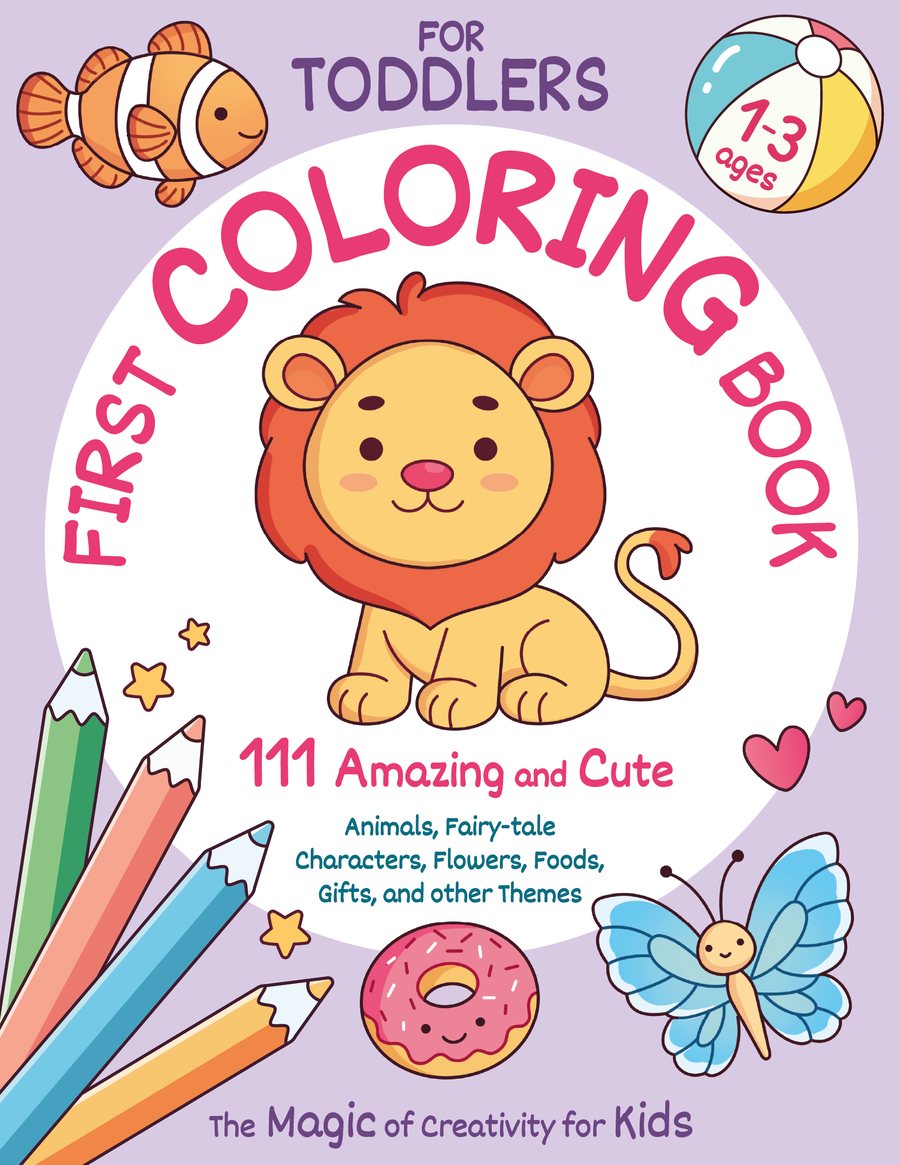
First Coloring Book for Toddlers Ages 1-3
A first coloring book for toddlers ages 1-3
$6.99
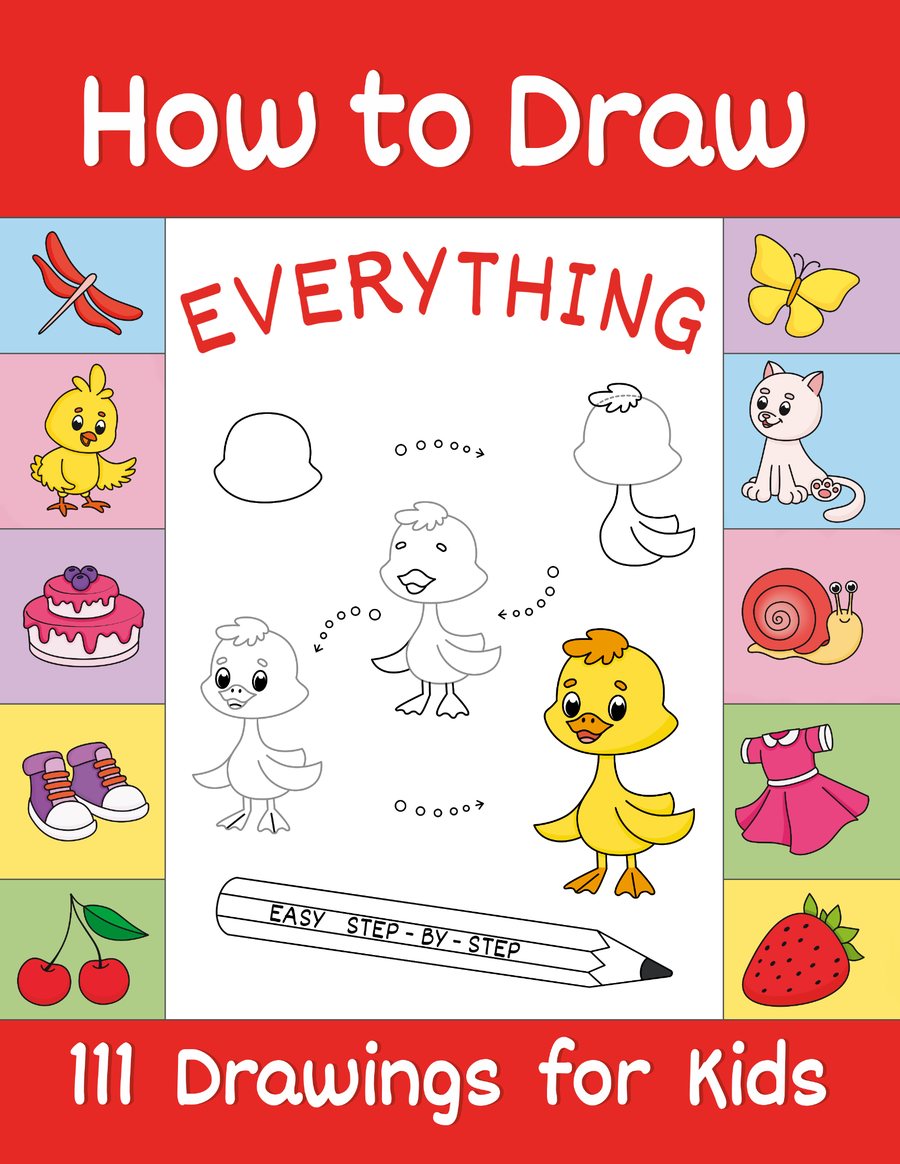
How to Draw Everything: Easy Step-by-Step Drawings for Kids
111 easy step-by-step drawings for kids ages 5 and up
$7.99
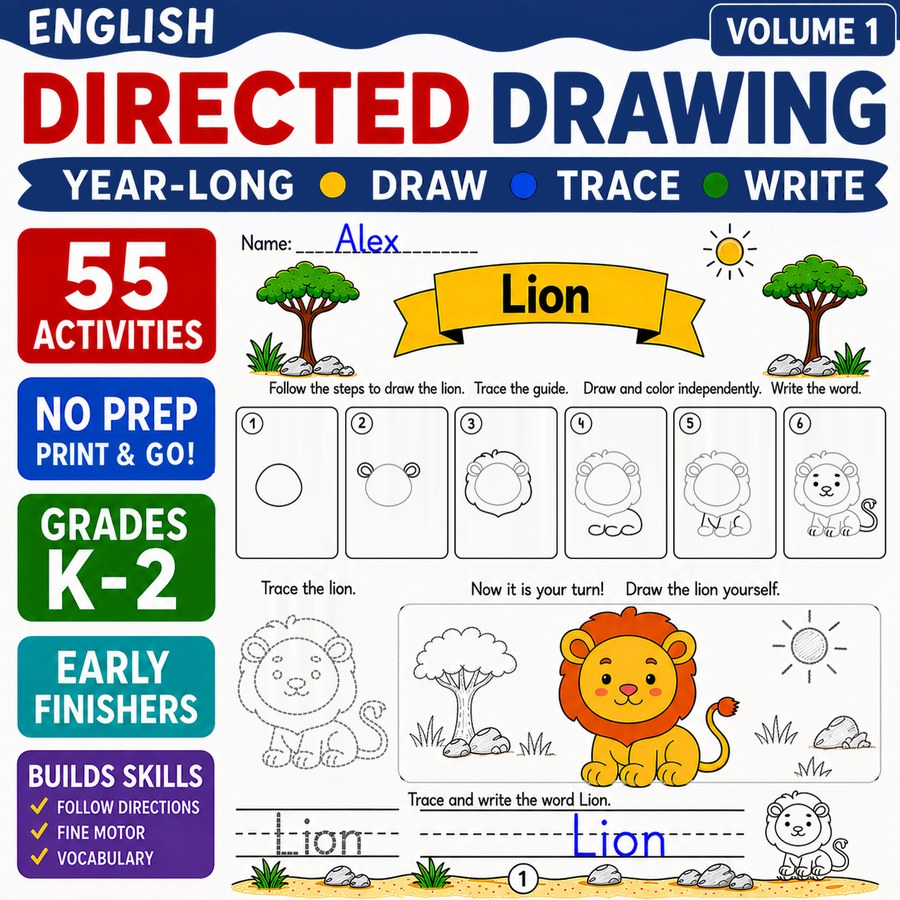
Directed Drawing Worksheets for Grades K-2: Draw, Trace, Write
55 no-prep activities at two levels, 110 worksheets
$5.99
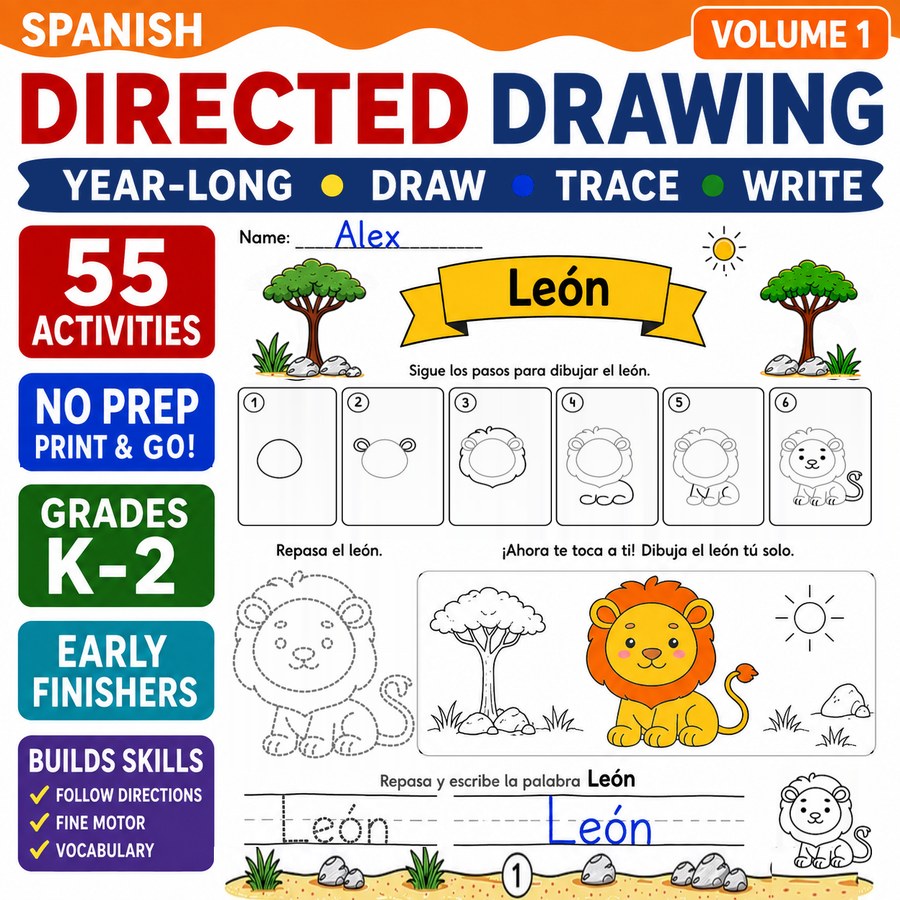
Spanish Directed Drawing Worksheets for Grades K-2: Dibujo Dirigido
55 no-prep activities at two levels, all in Spanish
$5.99